
For property owners
Mid-Term vs. Short-Term vs. Long-Term Rentals: Which Is Right for Your Property?
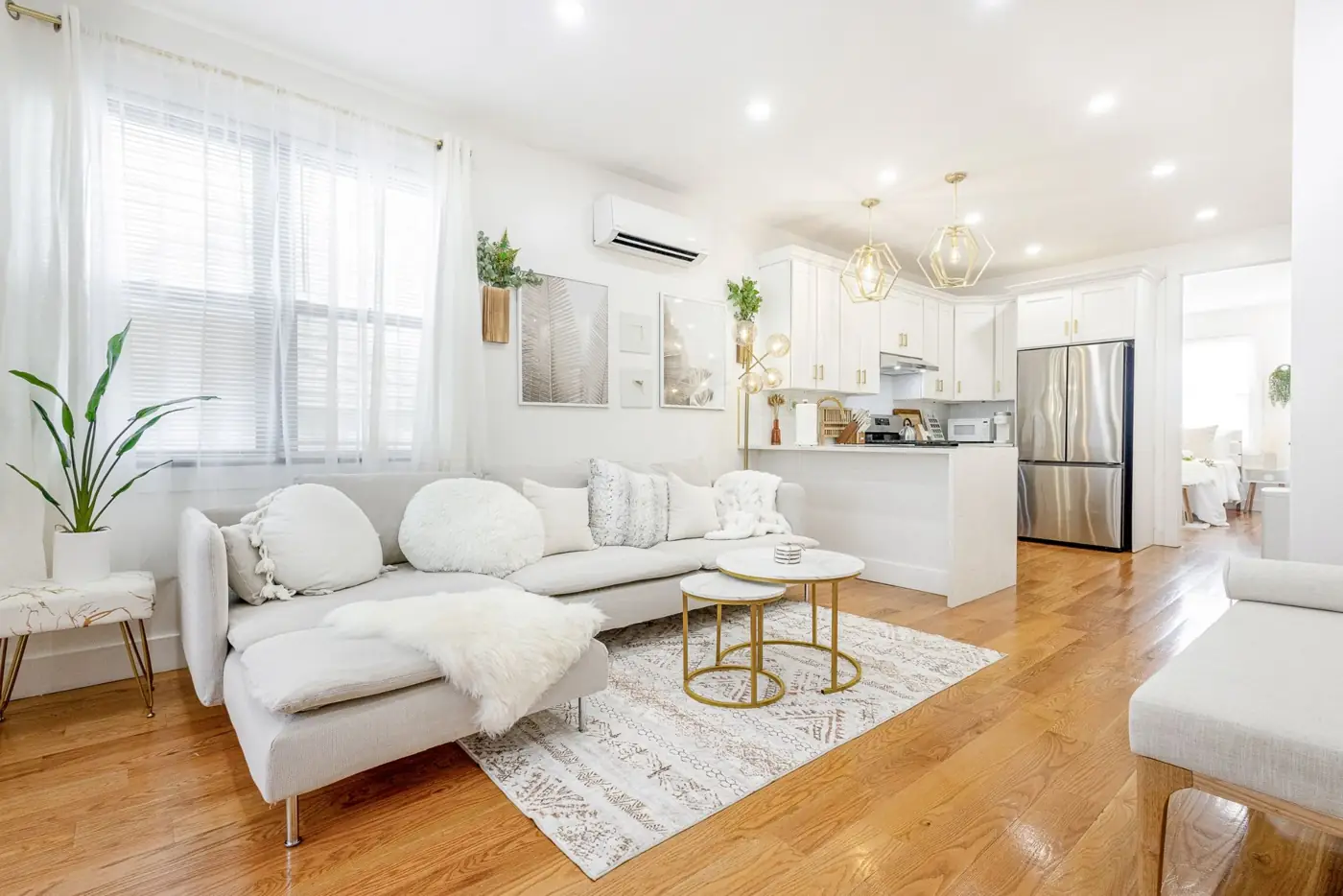
Short-term, mid-term and long-term rentals can all work in the same home. The right choice depends on your location, local laws, how involved you want to be and the income you need.
At a glance
| Short-term | Mid-term | Long-term | |
|---|---|---|---|
| Typical stay | 1 to 29 nights | 1 to 6 months | 12 months or more |
| Furnished | Yes | Yes | Usually not |
| Typical guests | Vacationers, weekend visitors | Travel nurses, insurance placements, relocations, crews | Local residents |
| Turnovers | Frequent | A few a year | Rare |
| Management effort | High | Moderate | Low |
| Regulation | Heavily restricted in many cities | Landlord-tenant rules usually apply | Landlord-tenant rules apply |
Short-term rentals
Nightly rentals can earn the highest rates in strong travel markets, but they bring constant turnovers, cleaning and guest communication. Many cities now restrict them heavily; New York, for example, sharply limits stays under 30 days. Always confirm what's legal for your address first.
Mid-term rentals
Mid-term rentals serve people who need a furnished home for a month or more: travel nurses, families displaced by fires or floods, relocating employees, and construction or film crews. You get fewer turnovers and more professional tenants. The trade-off is that a stay of 30 days or more usually creates a tenancy, so you need real screening, a proper lease and an understanding of tenant protections.
Long-term rentals
Year-long unfurnished leases are the most hands-off option, with the most predictable income. Monthly rent is usually lower than furnished rates, and tenant protections are strongest, so choosing the right tenant matters most.
How to choose
- Check the law first. What's allowed at your address narrows the options.
- Look at demand. Hospitals, offices, universities and job sites nearby point to mid-term demand.
- Be honest about your time. Short-term rentals are close to a job; long-term rentals are close to passive.
- Run the numbers at realistic occupancy, including furnishing, cleaning and vacant weeks.
Many owners land on mid-term as the balance: better income than a standard lease, far less churn than nightly stays.
Frequently asked questions
What is a mid-term rental?
A furnished rental for stays of roughly one to six months, often to travel nurses, insurance placements, relocating professionals and work crews.
Is a 30-day stay a tenancy?
In many places, including New York, a stay of 30 days or more creates a tenancy with tenant protections. Check your local rules.
Do mid-term rentals make more than long-term rentals?
Furnished mid-term rentals often earn more per month than unfurnished long-term leases, but they cost more to furnish and manage.