
Insurance housing
ALE Housing: What Insurance Adjusters Look For in a Temporary Home
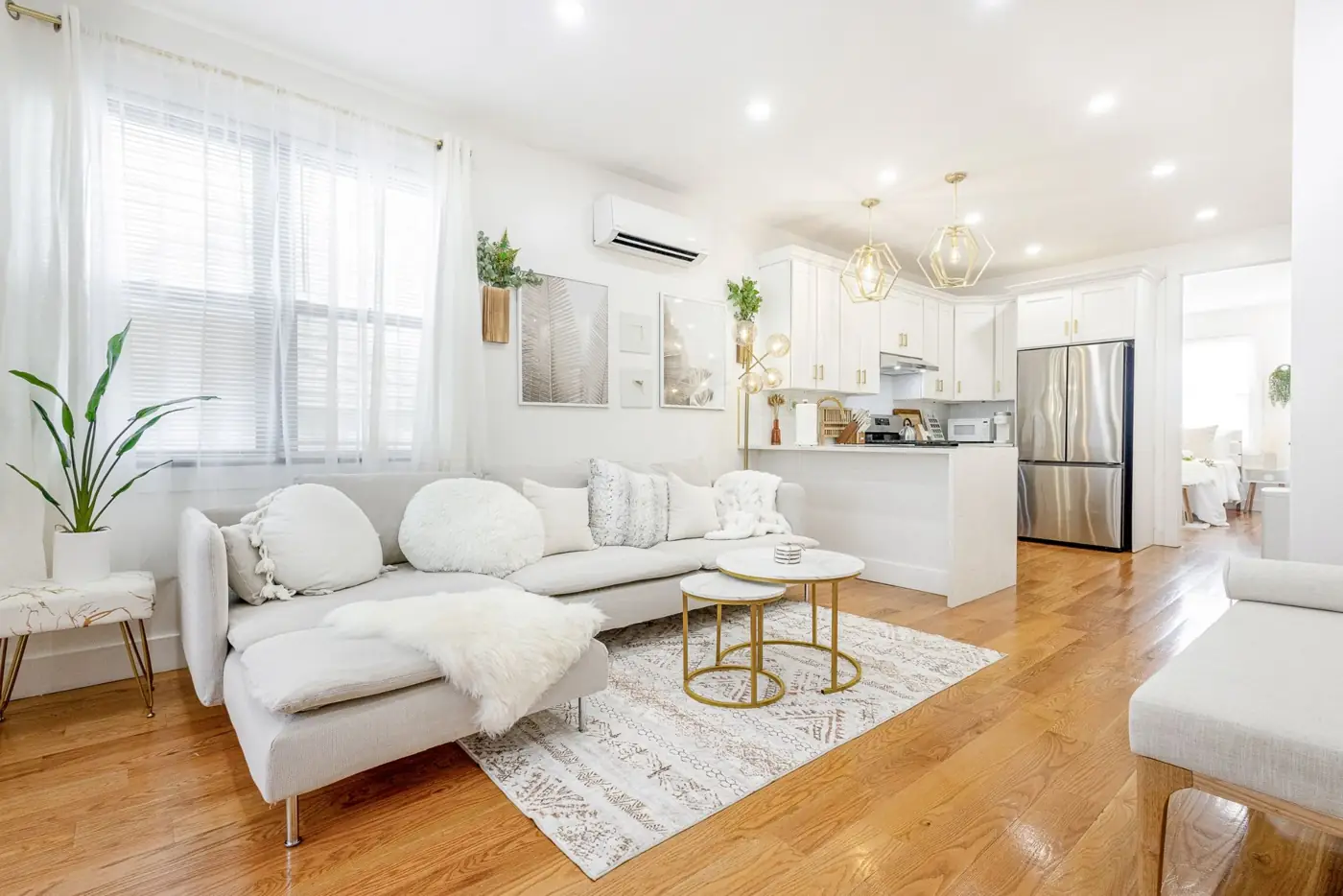
When a home becomes unlivable after a fire, flood or storm, most homeowners policies include Additional Living Expenses (ALE) coverage. It pays the extra cost of living somewhere else while repairs are made. Here's what adjusters and housing coordinators look for when they choose that temporary home.
1. Comparable to the family's home
ALE is generally meant to keep the family close to its normal standard of living. That usually means a similar number of bedrooms, a full kitchen and space for the whole household, rather than a hotel room.
2. Move-in ready
Families often leave with very little. A home that is fully furnished, with linens, towels, kitchenware and utilities already on, lets them settle in the day they arrive.
3. Pets welcome
Pets are part of the family, and pet-friendly options make placements much easier.
4. Location
Staying near work, school and the damaged home lets the family keep routines and check on repairs.
5. Flexible terms
Repairs rarely finish on schedule. Month-to-month terms with a simple notice period let the stay match the real timeline.
6. Clean paperwork
Coordinators need a W-9, a lease that can be in the carrier's or policyholder's name, and clear monthly invoices for direct billing.
7. Speed
The first suitable, available home usually wins. Clear availability, upfront rates and a fast application process matter as much as the home itself.
How we make placements simple
Each of our homes has a one-page fact sheet with photos, layout, accessibility, laundry, pets, estimated rates and billing terms, plus live availability. Share it with the family, and they can apply online the same day.